Published December 15, 2025
Benefits of Kid-Accessible Snacks
A well-organized snack zone promotes independence, teaches decision-making, reduces constant parent requests, and encourages healthy choices when organized thoughtfully.
Height Matters
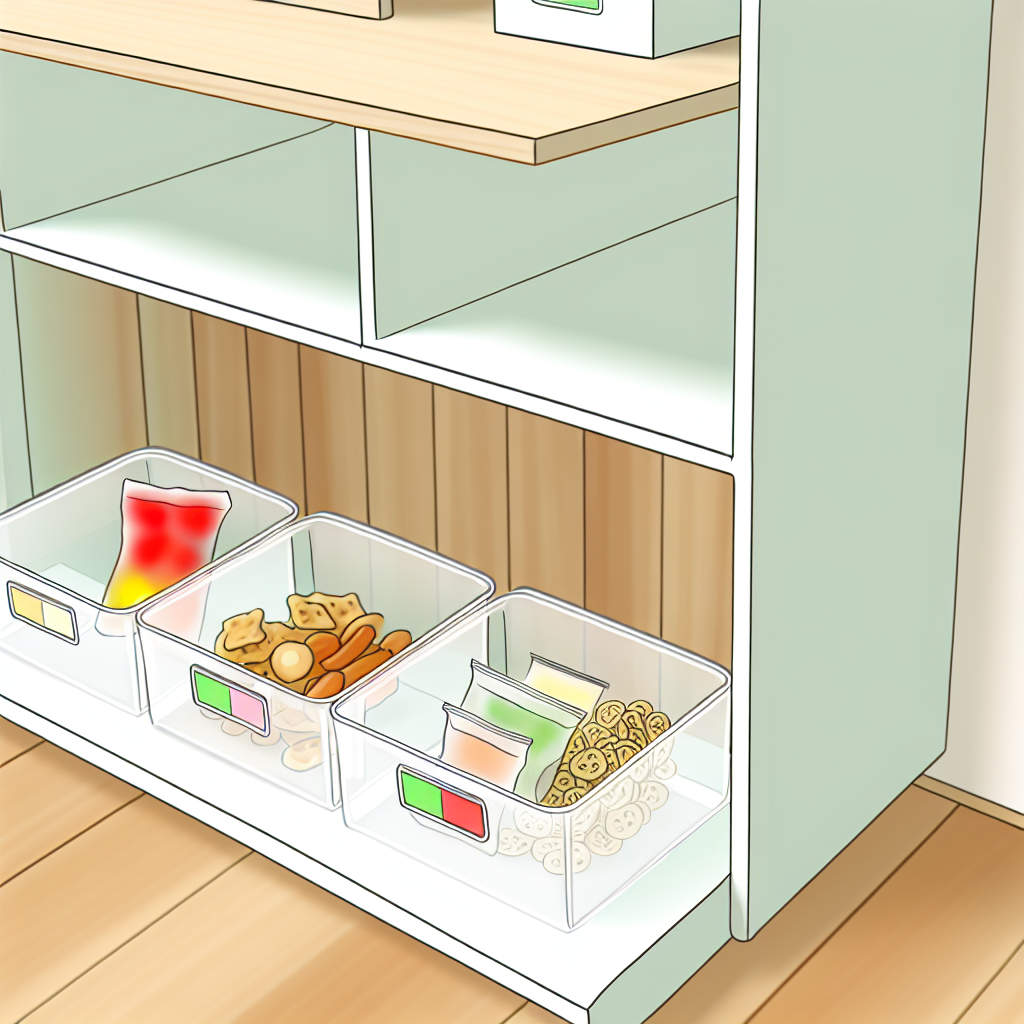
Place the snack zone at child height, typically lowest shelf or dedicated drawer. Kids should reach snacks without climbing or asking for help.
Visual Organization
Use clear containers so children see options. Consider picture labels for young children who cannot read yet. Color-coding works well: green for anytime snacks, yellow for ask first, red for special occasions.
Portion Control Built In
Pre-portion snacks into small containers or bags. This teaches appropriate serving sizes and makes grab-and-go easier.
Healthy Choices Front and Center
Place healthiest snacks in most accessible spot. Save treats for less convenient locations. Kids naturally reach for what is easiest to grab.
Snack Categories
Organize by type: crackers and dry snacks in one bin, fruit pouches and cups together, granola bars and protein snacks grouped, treat section clearly separated.
Responsibility and Rules
Teach children the system: one snack between meals, return containers to proper spot, tell parent when supplies run low. Post simple rules near snack zone.
Regular Rotation
Refresh snack options weekly to maintain interest. Involve kids in choosing and organizing new snacks. This builds ownership and excitement.